This work is a media experiment that attempts to translate selected sound effects, as catalogued and defined in The Sonic Experience: A Guide to Everyday Sounds, edited by Jean-François Augoyard and Henry Torgue, into a catalogue of architectural and spatial diagrams. The aim is to develop a diagrammatic reference that can contribute to the conceptual toolkit of sonic architectural thinking.
The current version is conceived as a living catalogue and remains under continuous development.
Drone
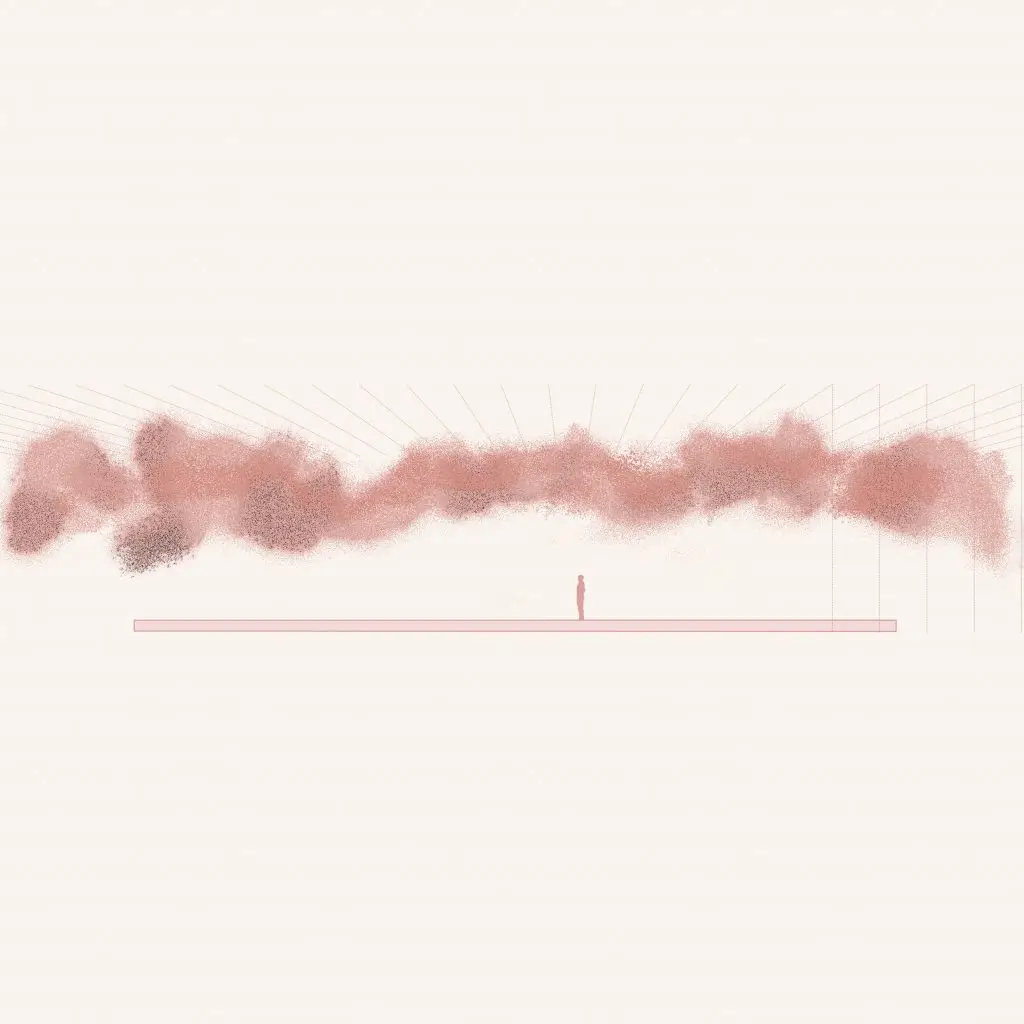
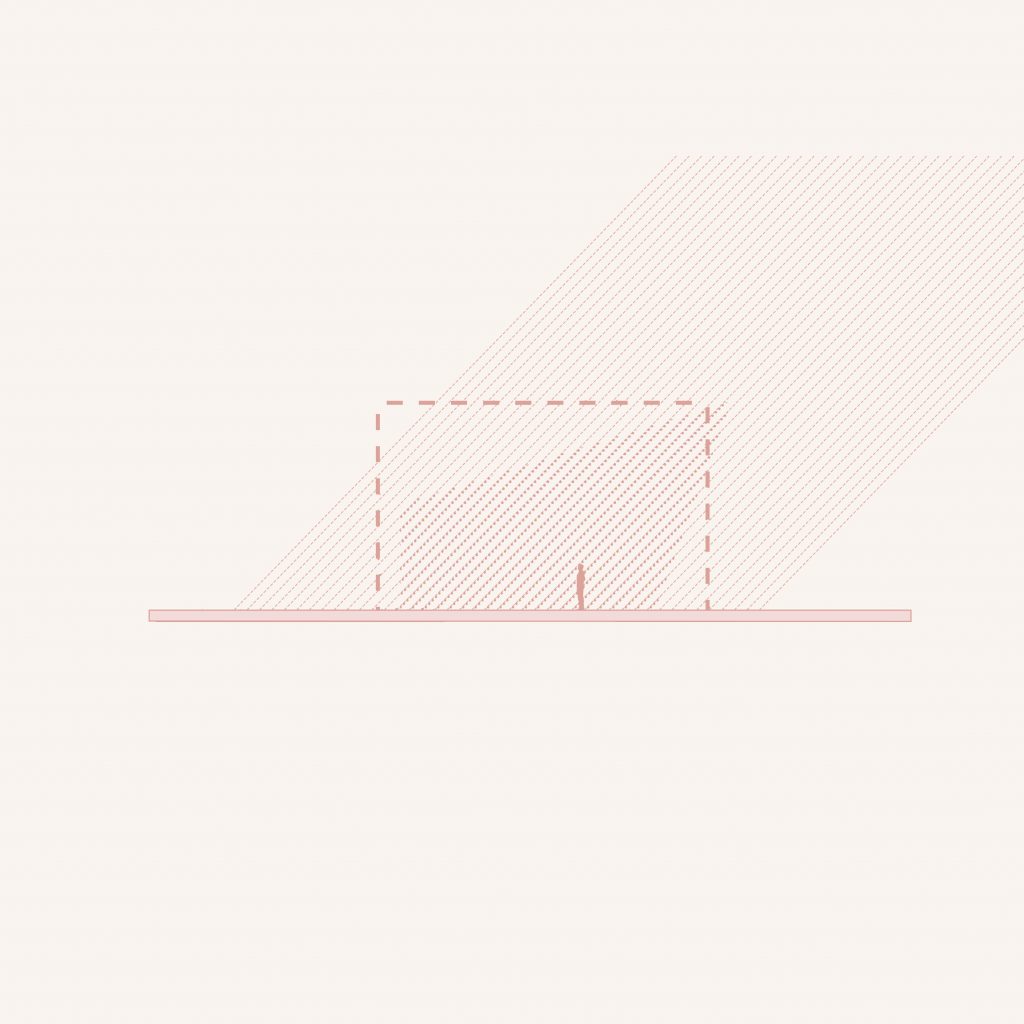
The drone (bourdon) effect refers to the presence of a constant layer of stable pitch in a sound ensemble with no noticeable variation in intensity. Linked to music in its designation (the drone is a permanent bass note over which other elements are laid), the drone effect can also be observed in urban and industrial soundscapes. Many technical systems generate constant sounds that are close to a drone, even if the frequencies concerned are not limited to the bass range that originally characterized it.
Drone
The drone (bourdon) effect refers to the presence of a constant layer of stable pitch in a sound ensemble with no noticeable variation in intensity. Linked to music in its designation (the drone is a permanent bass note over which other elements are laid), the drone effect can also be observed in urban and industrial soundscapes. Many technical systems generate constant sounds that are close to a drone, even if the frequencies concerned are not limited to the bass range that originally characterized it.
Ubiquity
Ubiquity, by its very definition, supposes active listening rather than a simple stimulus/answer schema. If there is a “sound object,” it cannotbe immutably perceived by a passive receptor organ; it is constructed and “realized” by an active ear that creates it as such. It is therefore specifically through an emitter–receptor interaction that the ubiquity effect can be described
Immersion
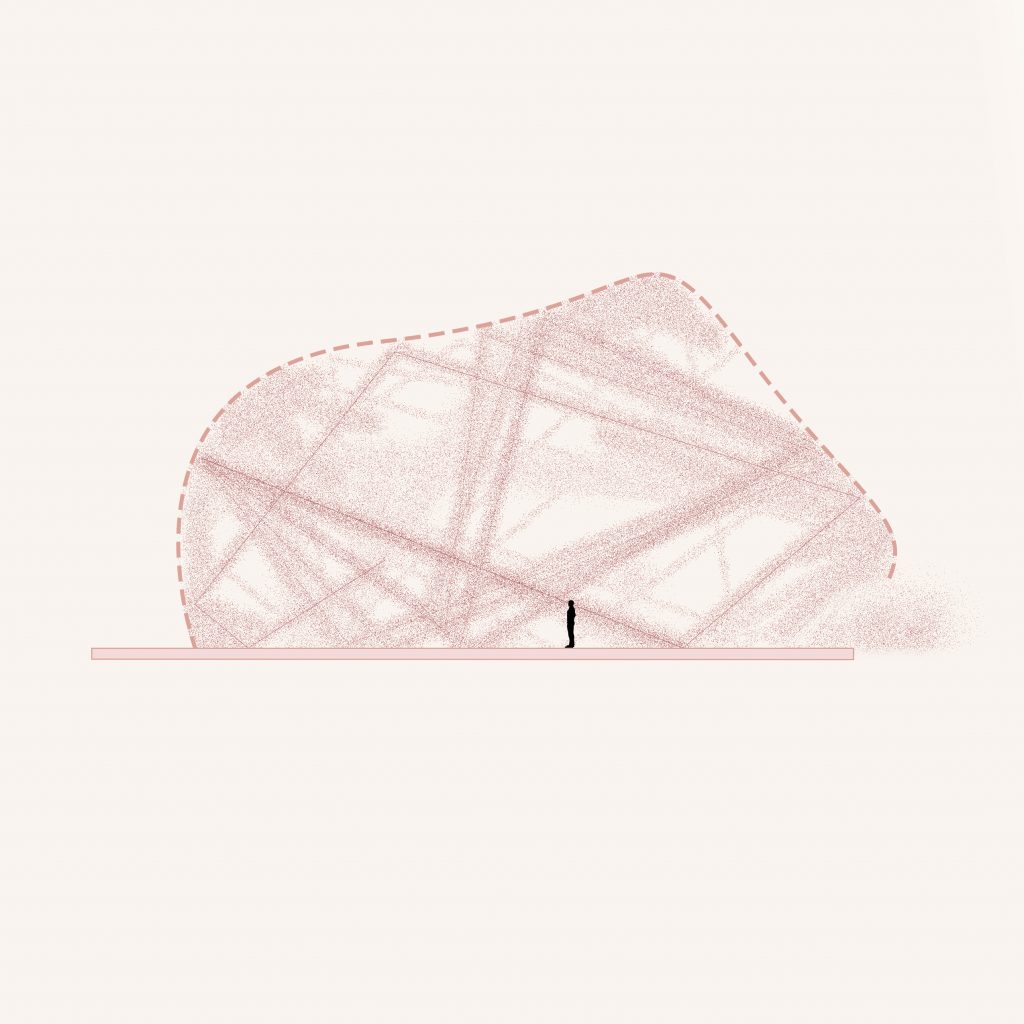
The dominance of a sonic micromilieu that takes precedence over a distant or secondary perceptive field. While it is possible that the sub-merged sound element may be heard temporarily, the dominant effect is primarily perceived as positioned above the background sound. Natural contexts offer numerous examples of this effect: listening to snatches of conversation, a song near the sea, or the music of a carousel on a beach. In this specific context, the murmur of the waves creates a permanent setting that gives the impression of containing a primary sonic situation. The urban drone can also create this structure of a permanent framework over which individual sonic activities are superimposed.
Cross Fade
While the cut out effect describes an abrupt change from one sonic state to another, the term crossfade refers to a more progressive transition between states, accomplished through a decrease in intensity of the first state and increasing apparition of the second. We can experience this effect when crossing a mid-sized square in which reflections from the street or the façade behind us slowly crossfades with sounds from the opposite direction.
Bluring
The blurring (estompage) effect refers to the progressive and impercep-tible disappearance of a sound atmosphere. In contrast to the decre-scendo effect, the auditor usually only notices the absence of sound once the effect is completed.
Hyperpolarization
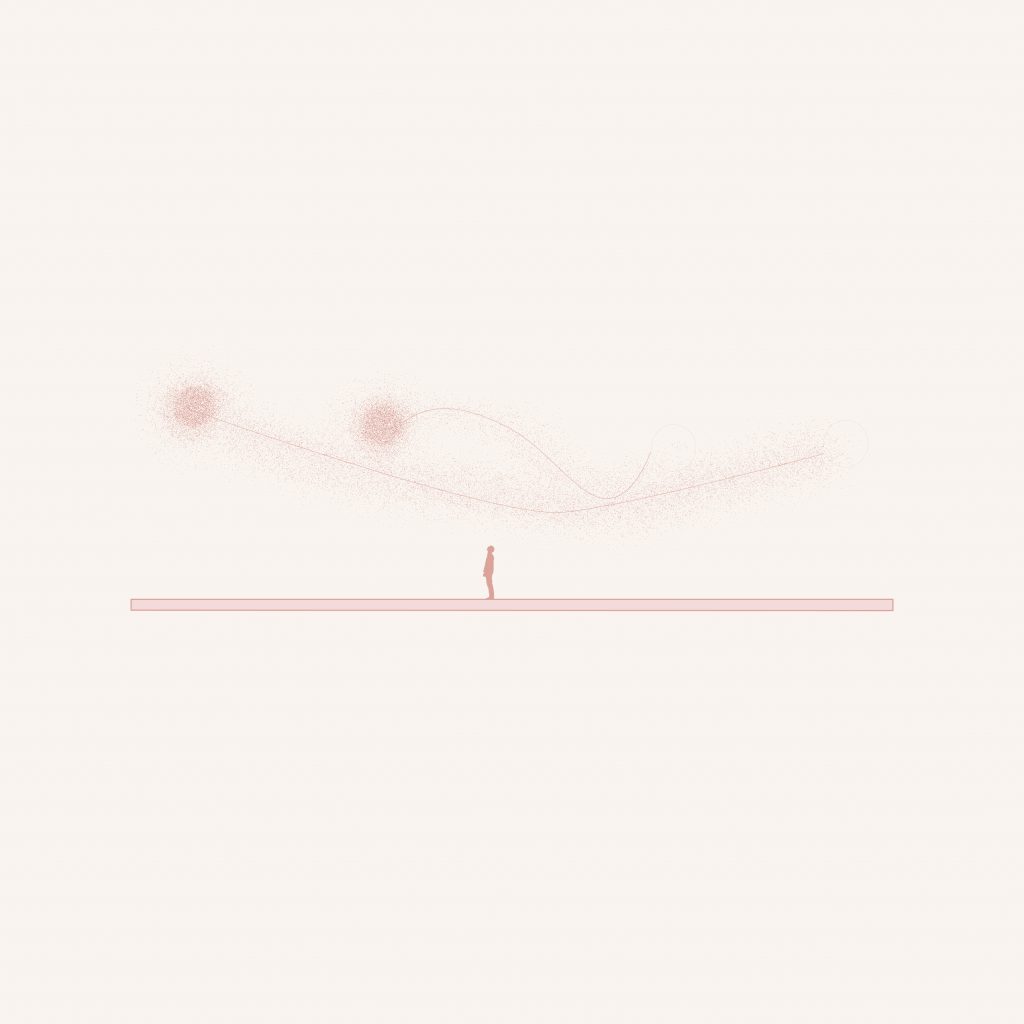
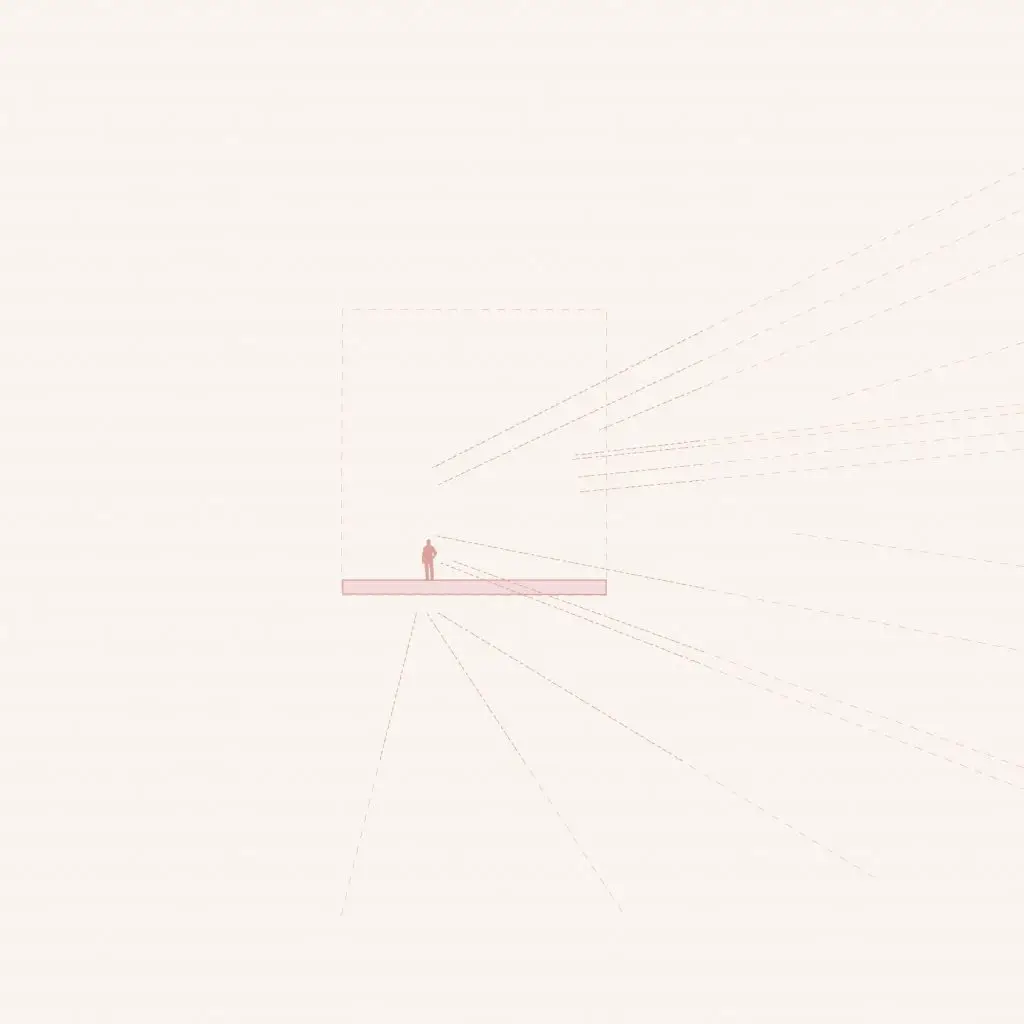
A perceptive effect linked to the sporadic character of a sound source that irresistibly focalizes the listener’s attention on the location of emission. When the source moves, the listener continues to follow it. This effect is often found in transmission through solids
Intrusion
A psychomotor effect linked to territoriality. The inopportune presence of a sound or group of sounds inside a protected territory creates a feeling of violation of that space, particularly when it occurs in the private sphere. In some pathological states, voices and sounds are perceived as illegitimate intrusions in the body.
Metamorphosis
A perceptive effect describing the unstable and changing relations between elements of a sound ensemble. A classic fgure of rhetoric, metamorphosis characterizes the instability present in structural relation that link parts of an ensemble and the resulting possibility to switch elementary components of a totality, so it is perceived as being in perpetual transition. The ancient Greek word metabolos (in French “métabole”) means that which is variable – something that is in metamorphosis. Our considered modifcation here involves the relationbetween elements that compose the sound environment, defned
as addition and superimposition of multiple sources heard simultaneously.
Mask
The mask (masque) ffect refers to the presence of a sound that partially or completely masks another sound because of its intensity or the distribution of its frequencies. This effect, easily demonstrated acoustically, also implies a subjective psychophysiological reaction: the masking sound can be judged as either parasitic or favourable, depending on whether or not the masked sound is perceived as pleasant.
Resonance
The resonance effect refers to the vibration, in air or through solids, of a solid element. The production of resonance requires a relatively high acoustic level and a concordance between the exciting frequency and the object put into vibration. Modal resonance refers to the phenomenon of standing waves in a three-dimensional space. Note in everyday language the term “resonance” includes any acoustically observable sonic effect, particularly reverberation.
Niche
An occurrence of a sound emission at the moment that is the most favourable and that offers a particularly well-adapted place for its expression. The niche (créneau) effect, which merges a sound message an sound context, is one of the key instruments of sound action, and can operate on any component of sound: intensity, pitch, timbre, rhythm.
Reverberation
The resonance effect refers to the vibration, in air or through solids, of a solid element. The production of resonance requires a relatively high acoustic level and a concordance between the exciting frequency and the object put into vibration. Modal resonance refers to the phenomenon of standing waves in a three-dimensional space. Note in everyday language the term “resonance” includes any acoustically observable sonic effect, particularly reverberation.
Wall
The resonance effect refers to the vibration, in air or through solids, of a solid element. The production of resonance requires a relatively high acoustic level and a concordance between the exciting frequency and the object put into vibration. Modal resonance refers to the phenomenon of standing waves in a three-dimensional space. Note in everyday language the term “resonance” includes any acoustically observable sonic effect, particularly reverberation.
Wave
The resonance effect refers to the vibration, in air or through solids, of a solid element. The production of resonance requires a relatively high acoustic level and a concordance between the exciting frequency and the object put into vibration. Modal resonance refers to the phenomenon of standing waves in a three-dimensional space. Note in everyday language the term “resonance” includes any acoustically observable sonic effect, particularly reverberation.